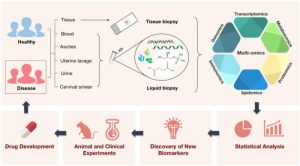
Embark on a journey into the fascinating world of personalized medicine and genomics, where cutting-edge science is transforming the way we approach healthcare. From tailoring treatments to predicting disease risks, this dynamic field holds the key to a healthier future.
Get ready to explore the groundbreaking advancements and innovative applications that are paving the way for more personalized and effective medical interventions.
Introduction to Personalized Medicine and Genomics
Personalized medicine is an approach to healthcare that customizes medical treatment to individual characteristics of each patient. Genomics, on the other hand, is the study of an organism’s complete set of DNA, including all of its genes. The relationship between personalized medicine and genomics lies in using genetic information to tailor medical treatment based on a patient’s unique genetic makeup.
The Role of Genomics in Tailoring Medical Treatment
Genomics plays a crucial role in tailoring medical treatment by analyzing an individual’s genetic information to determine the most effective course of action. By studying the genetic variations that influence how a person responds to certain medications, doctors can prescribe treatments that are more likely to be successful and minimize adverse reactions. This personalized approach to healthcare aims to improve patient outcomes and reduce the risk of trial-and-error in medical treatment.
Benefits of Personalized Medicine
Personalized medicine offers several advantages over traditional approaches, as it tailors medical treatment to individual characteristics, such as genetics, lifestyle, and environment. This approach allows for more precise and effective healthcare interventions, leading to improved patient outcomes and overall quality of care.
Improved Treatment Efficacy
Personalized medicine enables healthcare providers to customize treatment plans based on a patient’s genetic makeup, making interventions more targeted and effective. For example, genetic testing can identify specific gene mutations that may affect how a patient responds to certain medications. By leveraging this information, healthcare professionals can prescribe the most suitable drugs and dosages, minimizing adverse reactions and maximizing therapeutic benefits.
Precision Diagnostics
One of the key benefits of personalized medicine is its ability to provide precise diagnostics through genomic testing. By analyzing an individual’s genetic profile, healthcare providers can identify predispositions to certain diseases, allowing for early detection and prevention strategies. This proactive approach can lead to earlier interventions, ultimately improving patient outcomes and reducing the burden of chronic conditions.
Enhanced Patient Engagement
Personalized medicine empowers patients to take an active role in their healthcare journey by providing them with personalized insights and treatment options. By involving patients in decision-making processes and educating them about their genetic predispositions, personalized medicine encourages greater engagement and adherence to treatment plans. This collaborative approach fosters a stronger patient-provider relationship and promotes better health outcomes in the long run.
Cost-Effectiveness
While personalized medicine may initially require investment in genetic testing and analysis, the long-term benefits can outweigh the costs. By optimizing treatment plans and avoiding trial-and-error approaches, personalized medicine can reduce healthcare expenses associated with ineffective treatments, hospitalizations, and adverse events. In the long run, personalized medicine has the potential to improve healthcare efficiency and resource allocation, leading to cost savings for both patients and healthcare systems.
Challenges in Implementing Personalized Medicine
While personalized medicine holds great promise for revolutionizing healthcare, there are several challenges that need to be addressed for its widespread implementation.
Obstacles to Widespread Adoption
One of the major obstacles to the widespread adoption of personalized medicine is the lack of standardized guidelines and regulations. Without clear protocols in place, healthcare providers may struggle to incorporate personalized approaches into routine patient care effectively.
Another challenge is the complexity of analyzing and interpreting vast amounts of genomic data. Healthcare professionals need to be adequately trained to understand and apply this information accurately to make informed treatment decisions.
Furthermore, the high cost of genetic testing and personalized treatments can be a barrier for many patients, limiting accessibility to these innovative healthcare options.
Ethical Considerations
Personalized medicine raises ethical concerns related to privacy and consent. As genetic information becomes more readily available, there is a need to ensure that patients’ data is protected and used responsibly to avoid potential misuse or discrimination.
Additionally, there are ethical dilemmas surrounding the disclosure of genetic predispositions to certain diseases. Healthcare providers must navigate these sensitive issues while respecting patients’ autonomy and promoting informed decision-making.
Impact of Cost and Accessibility
The cost of genetic testing and personalized treatments can be prohibitive for many individuals, especially those without insurance coverage or financial resources. This disparity in accessibility could widen existing healthcare disparities and limit the benefits of personalized medicine to only a privileged few.
Improving affordability and accessibility to personalized medicine will be crucial to ensure equitable healthcare outcomes for all patients, regardless of their socioeconomic status or geographic location.
Role of Genomics in Disease Prevention
Genomics plays a crucial role in disease prevention by providing insights into an individual’s genetic predisposition to certain health conditions. This information can help predict disease risk, guide preventive measures, and personalize healthcare strategies for better outcomes.
Predicting Disease Risk
Genomic testing can identify specific genetic variations associated with an increased risk of developing certain diseases. By analyzing an individual’s DNA, healthcare providers can assess the likelihood of developing conditions such as heart disease, cancer, or diabetes. This early detection allows for proactive interventions and lifestyle modifications to reduce the risk of disease onset.
Importance of Genetic Testing in Preventive Healthcare
Genetic testing is a valuable tool in preventive healthcare as it enables healthcare providers to tailor screening programs and interventions based on an individual’s genetic profile. By identifying genetic markers linked to particular diseases, such as BRCA1/2 mutations in breast cancer, individuals can make informed decisions about preventive measures like increased surveillance, lifestyle changes, or prophylactic treatments.
Guiding Lifestyle Choices for Disease Prevention
Genomics can provide personalized recommendations for lifestyle modifications that can help prevent the onset of genetic diseases. By understanding how genetic factors interact with environmental influences, individuals can make choices regarding diet, exercise, and other lifestyle habits to mitigate disease risks. For example, individuals with a genetic predisposition to obesity may benefit from personalized diet and exercise plans to maintain a healthy weight and reduce the risk of related health conditions.
Personalized Medicine and Precision Oncology
Personalized medicine, in combination with genomics, is significantly transforming the landscape of cancer treatment. By analyzing the unique genetic makeup of an individual’s cancer cells, doctors can tailor treatment plans to target specific mutations and pathways driving the disease. This approach, known as precision oncology, holds great promise in improving outcomes and reducing side effects for cancer patients.
Genomics Revolutionizing Cancer Treatment
Genomics has revolutionized cancer treatment by providing insights into the genetic alterations that contribute to the development and progression of cancer. Through advanced sequencing techniques, researchers can identify mutations in a patient’s tumor DNA, allowing for a personalized approach to treatment. This precision targeting of cancer cells based on their genomic profile has led to the development of more effective therapies with fewer adverse effects.
Role of Personalized Medicine in Precision Oncology
Personalized medicine plays a crucial role in precision oncology by tailoring treatment strategies to the individual characteristics of each patient’s cancer. By analyzing genomic data, oncologists can determine the most appropriate course of action, such as targeted therapies or immunotherapies, to combat the specific genetic aberrations driving the disease. This personalized approach not only improves treatment efficacy but also enhances patient outcomes and quality of life.
Potential of Targeted Therapies Based on Genomic Profiles
Targeted therapies based on genomic profiles offer a promising avenue for cancer treatment, as they specifically target the vulnerabilities of cancer cells while sparing healthy tissues. By identifying genetic alterations unique to each patient’s tumor, oncologists can prescribe medications that inhibit specific molecular pathways involved in tumor growth. This precision targeting can lead to better response rates, prolonged survival, and reduced toxicity compared to conventional chemotherapy.
Integration of Genomics in Health Management

Genomics data plays a crucial role in managing chronic diseases and personalizing treatment plans for patients. By analyzing an individual’s genetic makeup, healthcare providers can better understand their predisposition to certain conditions and tailor interventions accordingly.
Impact of Genetic Variations on Drug Responses
- Genetic variations can influence how individuals metabolize medications, affecting their efficacy and potential side effects.
- Pharmacogenomic testing can help identify genetic markers that indicate how a patient may respond to specific drugs, allowing for more targeted and personalized treatment approaches.
- Understanding these genetic variations can also prevent adverse drug reactions and optimize medication dosages for better outcomes.
Future of Integrating Genomics into Routine Healthcare
- With advancements in technology and decreasing costs of genomic sequencing, integrating genomics into routine healthcare is becoming more feasible.
- Personalized medicine based on genomics data has the potential to revolutionize healthcare by shifting towards preventive strategies and early disease detection.
- As more research is conducted and more data is gathered, genomics will continue to play a significant role in not just treating but predicting and preventing diseases.
Women’s Health and Personalized Medicine
Personalized medicine has revolutionized the way healthcare is approached, with specific applications tailored to address women’s health concerns. By leveraging genomics, personalized medicine offers unique solutions for gender-specific health issues and reproductive health.
Applications of Personalized Medicine in Women’s Health
- Personalized treatment plans for breast cancer based on genetic mutations
- Genomic testing to identify risks for conditions like ovarian cancer or osteoporosis
- Customized hormone replacement therapy based on genetic predispositions
Genomics Addressing Gender-Specific Health Concerns
- Identification of genetic markers for conditions prevalent in women, such as endometriosis or polycystic ovary syndrome
- Understanding how genetic variations influence responses to medications commonly used in women’s health
- Exploring the genetic basis of menopause and age-related health issues specific to women
Role of Genetic Testing in Reproductive Health for Women
- Screening for genetic disorders that can impact fertility or pregnancy outcomes
- Carrier testing to assess the risk of passing on inherited conditions to offspring
- Personalized fertility treatments based on genetic factors influencing reproductive success
Wrap-Up
In conclusion, personalized medicine and genomics stand at the forefront of medical innovation, offering unprecedented opportunities for tailored treatments and improved patient outcomes. As we delve deeper into this realm of precision healthcare, the possibilities for enhancing health management and disease prevention are limitless.
Frequently Asked Questions
How is personalized medicine different from traditional approaches?
Personalized medicine focuses on customizing medical care based on individual characteristics like genetics, whereas traditional approaches use a more generalized treatment approach.
What are some challenges in implementing personalized medicine?
Challenges include ethical considerations, cost implications, and accessibility issues that may hinder the widespread adoption of personalized medicine.
How can genomics help in predicting disease risk?
Genomics can analyze an individual’s genetic makeup to identify potential disease risks and provide insights for preventive healthcare measures.
What role does genomics play in precision oncology?
Genomics plays a crucial role in tailoring cancer treatments based on the specific genetic profiles of tumors, leading to more targeted and effective therapies in precision oncology.


:max_bytes(150000):strip_icc()/jefit-fitness-weight-loss-app-d22c2acaf9e34127b6face554591c325.jpg?w=700)