Dive into the world of mental health awareness and resources, where we uncover essential information and support systems to enhance overall well-being. Get ready for a journey filled with insights and helpful resources!
Let’s explore the significance of mental health awareness, types of resources available, and how they impact individuals and communities.
Mental Health Awareness
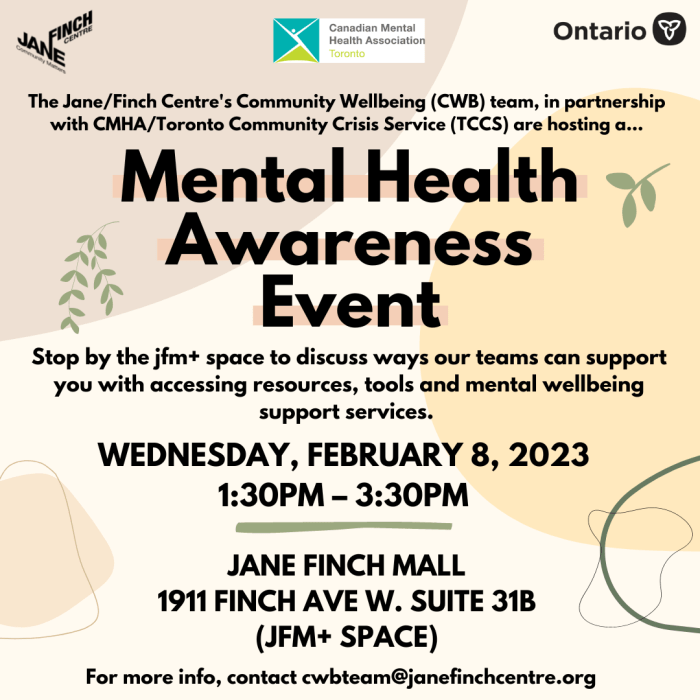
Understanding and promoting mental health awareness is crucial in today’s society to break the stigma surrounding mental health issues and provide support to those in need.
Importance of Mental Health Awareness
Mental health awareness helps individuals recognize the signs and symptoms of mental health conditions, encouraging early intervention and treatment. It also promotes a culture of acceptance, empathy, and understanding towards those struggling with their mental health.
Initiatives and Campaigns
- The “Bell Let’s Talk” campaign in Canada has been instrumental in raising awareness about mental health and reducing the stigma associated with it. Through social media engagement and donations, the campaign supports mental health initiatives across the country.
- The “Heads Together” campaign in the UK, led by members of the royal family, aims to end the stigma surrounding mental health and encourage conversations about mental well-being.
- The “You Matter” campaign by the National Alliance on Mental Illness (NAMI) in the United States focuses on spreading positivity and support for individuals struggling with mental health challenges.
Impact of Mental Health Awareness
Increased mental health awareness leads to more individuals seeking help and support for their mental well-being. It also fosters a sense of community and solidarity among those affected by mental health conditions, creating a supportive environment for recovery and growth.
Mental Health Resources
When it comes to mental health resources, there are various options available to individuals seeking support and assistance. These resources can range from hotlines to support groups to therapy options, each serving a unique purpose in promoting mental well-being.
Types of Mental Health Resources
- Hotlines: Emergency hotlines provide immediate support and guidance for individuals in crisis or needing someone to talk to.
- Support Groups: These groups offer a sense of community and understanding by connecting individuals with similar experiences.
- Therapy Options: This includes individual therapy, group therapy, cognitive behavioral therapy, and other specialized forms of therapy to address different mental health concerns.
Online vs. In-Person Resources
Online mental health resources have become increasingly popular due to their accessibility and convenience. Individuals can access therapy sessions, support groups, and information from the comfort of their own homes. On the other hand, in-person resources provide a more personalized and immediate form of support, allowing for face-to-face interactions and a deeper connection with mental health professionals.
Personal Experiences with Mental Health Resources
“Joining a support group was a turning point in my mental health journey. It helped me realize that I was not alone in my struggles and provided me with a safe space to share my thoughts and feelings.”
“Therapy sessions have been instrumental in helping me manage my anxiety. My therapist has provided me with coping mechanisms and strategies that have significantly improved my mental well-being.”
Health Addictions
Health addictions refer to the compulsive behaviors related to health and wellness that can have a negative impact on mental health.
These addictions can manifest in various forms and can lead to detrimental effects on overall well-being. It is essential to address these addictions to maintain a healthy balance in life and prevent further mental health issues.
Common Types of Health Addictions and Their Effects
- Exercise Addiction: This involves an obsession with working out, often leading to overtraining, injuries, and neglect of other aspects of life.
- Orthorexia: An unhealthy obsession with eating only “clean” or “pure” foods, which can result in nutritional deficiencies and social isolation.
- Body Dysmorphic Disorder: A preoccupation with perceived flaws in physical appearance, leading to extreme measures to alter one’s body, such as excessive plastic surgery or restrictive eating habits.
Relationship Between Mental Health and Addiction Treatment
Addressing health addictions is crucial in the treatment of mental health issues, as these addictive behaviors can exacerbate existing conditions or lead to the development of new ones. Integrated treatment approaches that focus on both mental health and addiction can help individuals overcome these challenges and achieve overall wellness.
Alternative Treatment for Mental Health
Art therapy, acupuncture, and mindfulness practices are gaining popularity as alternative treatments for mental health conditions. These holistic approaches focus on the mind-body connection and offer unique ways to improve mental well-being.
Art Therapy
Art therapy involves using creative processes such as drawing, painting, and sculpting to express emotions and thoughts. This form of therapy can help individuals explore their feelings in a non-verbal way, providing a new outlet for self-expression and self-discovery.
Acupuncture
Acupuncture is an ancient Chinese practice that involves inserting thin needles into specific points on the body to promote healing and balance energy flow. Some studies have shown that acupuncture can help reduce symptoms of anxiety, depression, and PTSD by stimulating the release of endorphins and serotonin.
Mindfulness Practices
Mindfulness practices, such as meditation and yoga, focus on being present in the moment and cultivating self-awareness. These practices can help individuals manage stress, anxiety, and depression by increasing relaxation and promoting a sense of inner peace.
Health Dentistry
The connection between oral health and mental well-being is often overlooked, but it plays a crucial role in our overall health. Poor oral health can lead to feelings of insecurity, embarrassment, and even social isolation, which can have a negative impact on our mental well-being.When it comes to mental health conditions that may impact oral health, conditions such as anxiety, depression, and eating disorders can all contribute to poor oral hygiene.
For example, individuals with depression may struggle to find the motivation to brush their teeth regularly, leading to an increased risk of cavities and gum disease.To maintain good dental hygiene and support overall mental health, here are some tips to follow:
Tips for Maintaining Good Dental Hygiene
- Brush your teeth at least twice a day with fluoride toothpaste to prevent cavities and gum disease.
- Floss daily to remove plaque and food particles between your teeth.
- Limit sugary and acidic foods and drinks that can erode tooth enamel.
- Visit your dentist regularly for check-ups and cleanings to catch any potential issues early.
- Practice stress-reducing activities such as yoga, meditation, or exercise to alleviate mental health conditions that may impact oral health.
Health Fitness
Regular physical exercise plays a crucial role in maintaining good mental health. The relationship between physical activity and mental well-being is well-documented, with exercise being known to reduce symptoms of anxiety, depression, and stress.Research findings have shown that engaging in regular exercise can help improve mood, boost self-esteem, and enhance cognitive function. Physical activity stimulates the production of endorphins, which are chemicals in the brain that act as natural painkillers and mood elevators.
This can lead to a sense of well-being and improved mental clarity.
Benefits of Exercise for Mental Health
- Reduces symptoms of anxiety and depression
- Boosts self-esteem and confidence
- Improves sleep quality
- Enhances cognitive function and focus
Incorporating Fitness into Your Wellness Plan
- Start with small goals and gradually increase intensity
- Find physical activities you enjoy to make exercise more sustainable
- Include a mix of cardio, strength training, and flexibility exercises
- Set a regular schedule for workouts to establish a routine
Health Medicine
Medication plays a crucial role in treating mental health disorders by helping to manage symptoms and improve overall well-being. It is often used in conjunction with therapy and other forms of treatment to provide comprehensive care for individuals struggling with mental health conditions.
Role of Medication
- Medication can help regulate brain chemistry, reducing symptoms such as anxiety, depression, and mood swings.
- It can improve the individual’s ability to function in daily life, including work, relationships, and social activities.
- Medication can also prevent relapse and reduce the risk of serious complications associated with untreated mental health disorders.
Importance of Medication Adherence and Side Effects
- Adhering to the prescribed medication regimen is crucial for its effectiveness in managing symptoms and improving quality of life.
- Skipping doses or stopping medication abruptly can lead to a worsening of symptoms and potential relapse.
- It is essential to communicate any side effects experienced to healthcare providers to address them promptly and adjust treatment if necessary.
- Common side effects of mental health medications may include drowsiness, weight gain, nausea, and sexual dysfunction.
Types of Medications for Mental Health Conditions
- Antidepressants: Used to treat depression, anxiety, and other mood disorders by balancing neurotransmitters in the brain.
- Antipsychotics: Prescribed for conditions like schizophrenia and bipolar disorder to manage symptoms such as hallucinations and delusions.
- Anti-anxiety medications: Help alleviate symptoms of anxiety disorders by promoting relaxation and reducing feelings of fear and worry.
- Mood stabilizers: Used to manage mood swings and prevent episodes of mania or depression in conditions like bipolar disorder.
Health Pharmacy
In the realm of mental health care, pharmacists play a crucial role in providing medication management and counseling services to individuals seeking treatment for various mental health conditions. They are trained professionals who work closely with healthcare providers to ensure that patients receive the appropriate medications and support needed to manage their mental health effectively.
The Role of Pharmacists in Mental Health Care
Pharmacists are responsible for dispensing medications prescribed by healthcare providers to individuals with mental health disorders. They play a key role in educating patients about their medications, including proper usage, potential side effects, and drug interactions. Pharmacists also monitor patients’ medication regimens to ensure they are adhering to their treatment plans and experiencing optimal outcomes.
- Provide counseling and support to individuals with mental health conditions
- Collaborate with healthcare providers to optimize medication therapy
- Educate patients on the importance of medication adherence
- Monitor patients for potential side effects and drug interactions
Tips for Navigating Mental Health Medication at Pharmacies
Navigating mental health medication can be overwhelming, but there are strategies that individuals can use to ensure a smooth experience at the pharmacy. It is essential to communicate openly with your pharmacist and healthcare provider to address any concerns or questions about your medication regimen.
- Keep a list of all medications you are taking, including over-the-counter and prescription drugs
- Ask your pharmacist for a medication review to ensure compatibility and effectiveness
- Follow the prescribed dosage and schedule provided by your healthcare provider
- Report any side effects or concerns to your pharmacist or healthcare provider immediately
Weight Loss and Mental Health
Weight loss and mental health are closely interconnected, with body image playing a significant role in how individuals perceive themselves and their overall well-being. The relationship between weight loss and mental health can be complex, as societal standards and personal expectations often influence one’s mindset and emotional state during the weight loss journey.
Psychological Factors Influencing Weight Loss Success
- Self-esteem and body image: How individuals view themselves physically can impact their motivation and confidence in achieving weight loss goals.
- Emotional eating: Coping mechanisms such as eating in response to stress, anxiety, or other emotions can hinder weight loss progress.
- Mental health disorders: Conditions like depression, anxiety, and eating disorders can affect one’s relationship with food and body image, making weight loss more challenging.
Strategies for Achieving Weight Loss Goals
- Focus on overall well-being: Prioritize mental health and self-care alongside physical changes, emphasizing a holistic approach to weight loss.
- Seek professional support: Consult with healthcare providers, therapists, or nutritionists to develop a personalized plan that addresses both physical and emotional aspects of weight loss.
- Practice mindful eating: Pay attention to hunger cues, emotions triggering eating habits, and develop healthier relationships with food to support sustainable weight loss.
Women & Health: Mental Health Focus
Women face specific mental health challenges that are often influenced by societal expectations, biological factors, and life experiences. It is crucial to address these unique struggles and provide tailored support to promote mental well-being among women.
Impact of Hormonal Changes on Women’s Mental Health
Women experience hormonal fluctuations throughout their lives, such as during menstruation, pregnancy, and menopause. These changes can have a significant impact on their mental health, leading to mood swings, anxiety, and depression.
- During menstruation, many women experience premenstrual syndrome (PMS) symptoms, including irritability, mood swings, and fatigue. These hormonal changes can exacerbate existing mental health conditions or trigger new ones.
- Pregnancy and postpartum periods are also vulnerable times for women’s mental health, with conditions such as postpartum depression affecting many new mothers. Hormonal imbalances, sleep deprivation, and the stress of caring for a newborn can contribute to these mental health challenges.
- Menopause marks another significant hormonal shift in women’s lives, often accompanied by symptoms like hot flashes, night sweats, and mood disturbances. These changes can impact mental health and contribute to feelings of anxiety and depression.
Resources and Support for Women’s Mental Health
It is essential to provide women with access to resources and support services that cater to their specific mental health needs. Here are some tailored options:
- Women-focused support groups and therapy sessions can create a safe space for women to discuss their mental health struggles and connect with others who may share similar experiences.
- Specialized mental health programs that address issues like trauma, body image, and self-esteem can help women navigate the unique challenges they face in society.
- Healthcare providers who are knowledgeable about women’s mental health concerns can offer personalized treatment plans and interventions to support women on their mental health journey.
Conclusion
As we wrap up our discussion on mental health awareness and resources, remember that seeking help and being aware of available resources is crucial for maintaining good mental well-being. Stay informed, stay supported, and prioritize your mental health above all else.
Questions and Answers
What are some common initiatives promoting mental health awareness?
Examples include mental health campaigns, advocacy programs, and educational workshops aimed at raising awareness and reducing stigma.
How do online mental health resources differ from in-person resources?
Online resources offer convenience and anonymity, while in-person resources provide more personalized support and immediate interaction.
Can alternative treatments for mental health be as effective as traditional methods?
Alternative therapies like art therapy or mindfulness practices can be beneficial in conjunction with traditional treatments, but effectiveness may vary for each individual.
Why is it important to address mental health challenges specific to women?
Women may face unique mental health issues due to hormonal changes, societal pressures, and gender-related factors that require specialized support and resources.
How does weight loss impact mental health?
Weight loss can affect body image, self-esteem, and emotional well-being, highlighting the importance of addressing mental health alongside physical health goals.



:max_bytes(150000):strip_icc()/jefit-fitness-weight-loss-app-d22c2acaf9e34127b6face554591c325.jpg?w=700)