Embark on a journey through the fascinating realm of mind-body therapies for chronic pain, where ancient wisdom meets modern science in a harmonious blend of holistic wellness and pain relief.
Discover the secrets behind how the mind and body work together to combat chronic pain, unveiling a world of possibilities for transformative healing and well-being.
Overview of Mind-body Therapies for Chronic Pain
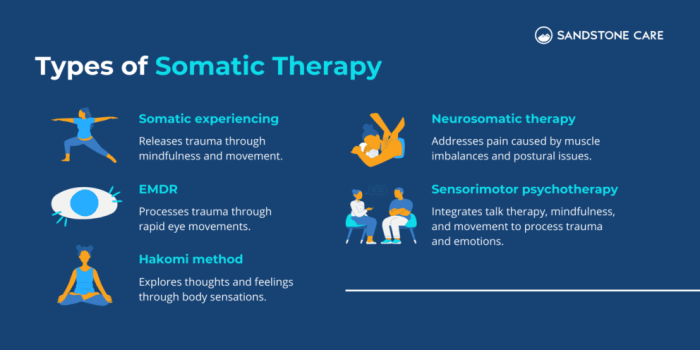
Mind-body therapies are approaches that focus on the connection between the mind and body to promote healing and well-being. When it comes to managing chronic pain, these therapies aim to address not just the physical symptoms but also the emotional and psychological factors that can contribute to pain perception.Some popular mind-body therapies used for chronic pain include:
Meditation
Practicing mindfulness and deep breathing techniques to reduce stress and promote relaxation, which can help alleviate pain.
Yoga
Combining physical postures, breathing exercises, and meditation to improve flexibility, strength, and overall well-being, which can reduce chronic pain symptoms.
Tai Chi
A gentle form of martial arts that involves slow, flowing movements and deep breathing to improve balance, flexibility, and strength, which can be beneficial for managing chronic pain.
Cognitive Behavioral Therapy (CBT)
A type of talk therapy that helps individuals identify and change negative thought patterns and behaviors that may be contributing to their pain experience.The principles behind how mind-body therapies can help alleviate chronic pain lie in their ability to reduce stress, improve mood, promote relaxation, and enhance overall well-being. By addressing both the physical and emotional aspects of pain, these therapies can help individuals better cope with their symptoms and improve their quality of life.
Benefits of Mind-body Therapies for Chronic Pain
When it comes to managing chronic pain, incorporating mind-body therapies can offer a range of potential benefits that go beyond traditional pain management approaches. These therapies focus on the connection between the mind and body, aiming to promote relaxation, reduce stress, and improve overall well-being.
Improved Pain Management
- Mind-body therapies such as mindfulness meditation, yoga, and tai chi have been shown to help individuals better cope with chronic pain by reducing the perception of pain and increasing pain tolerance.
- These therapies can also help individuals develop skills to manage pain more effectively, leading to a decreased reliance on pain medication.
Enhanced Emotional Well-being
- By incorporating techniques like guided imagery and progressive muscle relaxation, mind-body therapies can help individuals reduce anxiety, depression, and other emotional symptoms often associated with chronic pain.
- Improving emotional well-being can lead to a more positive outlook on life and a better overall quality of life for individuals living with chronic pain.
Increased Physical Function
- Engaging in mind-body therapies can help improve physical functioning in individuals with chronic pain by promoting flexibility, strength, and balance through practices like yoga and tai chi.
- As physical function improves, individuals may experience a greater sense of independence and ability to engage in daily activities with less discomfort.
Success Stories
“After incorporating mindfulness meditation into my daily routine, I noticed a significant decrease in my chronic back pain and an overall improvement in my mood and outlook on life. Mind-body therapies have truly changed my life for the better.”
“Yoga has been a game-changer for me in managing my fibromyalgia pain. Not only has it helped reduce my pain levels, but it has also given me a sense of empowerment and control over my body that I never thought possible.”
Types of Mind-body Therapies for Chronic Pain
Mind-body therapies encompass a variety of techniques that focus on the connection between the mind, body, and spirit to promote healing and overall well-being. These therapies are increasingly recognized for their effectiveness in managing chronic pain conditions by addressing the physical, emotional, and psychological aspects of pain. Here are some common types of mind-body therapies used for chronic pain:
Mindfulness Meditation
Mindfulness meditation involves focusing on the present moment without judgment, allowing individuals to cultivate awareness and acceptance of their thoughts and feelings. This practice helps reduce stress, anxiety, and pain perception by promoting relaxation and a sense of calm.
Yoga
Yoga combines physical postures, breathing exercises, and meditation to improve flexibility, strength, and mental clarity. It can help alleviate chronic pain by enhancing body awareness, reducing muscle tension, and promoting relaxation.
Cognitive Behavioral Therapy (CBT)
CBT is a form of psychotherapy that focuses on changing negative thought patterns and behaviors to promote emotional well-being. In the context of chronic pain, CBT can help individuals develop coping strategies, manage stress, and improve pain management skills.
Acupuncture
Acupuncture is a traditional Chinese medicine technique that involves inserting thin needles into specific points on the body to restore the flow of energy. This practice can help alleviate pain by stimulating the release of endorphins and promoting relaxation.
Guided Imagery
Guided imagery involves using visualization techniques to create mental images that promote relaxation, reduce stress, and alleviate pain. By focusing on positive images and sensations, individuals can shift their attention away from pain and improve their overall well-being.
Integrating Mind-body Therapies into Healthcare
Integrating mind-body therapies into healthcare settings is crucial for providing comprehensive care for patients dealing with chronic pain. These therapies can complement traditional medical treatments and offer holistic approaches to managing pain.
Role of Mind-body Therapies in Complementing Traditional Treatments
When used in conjunction with conventional medical treatments such as medication or physical therapy, mind-body therapies like mindfulness meditation, yoga, or tai chi can enhance pain management outcomes. These therapies address the emotional and psychological aspects of pain, leading to improved overall well-being.
Incorporating Mind-body Therapies into Treatment Plans
- Healthcare providers can collaborate with mind-body specialists to develop personalized treatment plans that incorporate these therapies.
- Integrating mind-body therapies into treatment plans can involve prescribing specific exercises, mindfulness practices, or relaxation techniques tailored to the individual needs of patients.
- Education and training for healthcare providers on the benefits and techniques of mind-body therapies are essential for successful integration into treatment plans.
Challenges in Integrating Mind-body Therapies into Healthcare
- One of the challenges is a lack of awareness or acceptance among healthcare professionals about the effectiveness of mind-body therapies for chronic pain.
- Limited access to qualified mind-body specialists or resources in healthcare settings can hinder the integration of these therapies into mainstream practices.
- Reimbursement issues and insurance coverage for mind-body therapies may pose barriers to their widespread adoption within healthcare systems.
Mind-body Therapies in Alternative Treatment Approaches
When it comes to alternative treatment modalities for chronic pain, mind-body therapies play a crucial role in addressing the physical, emotional, and mental aspects of pain management. These therapies focus on the connection between the mind and body, promoting relaxation, stress reduction, and overall well-being.
Comparison with Other Alternative Therapies
- Mind-body therapies, such as meditation and yoga, focus on harnessing the power of the mind to alleviate pain and improve overall health. In contrast, acupuncture targets specific energy points in the body to restore balance and reduce pain.
- Herbal medicine, on the other hand, utilizes natural remedies and plant-based extracts to manage pain and inflammation. While mind-body therapies address the psychological and emotional aspects of pain, herbal medicine targets the physical symptoms directly.
Enhancing Effectiveness through Combination
Combining different alternative treatments, including mind-body therapies, acupuncture, and herbal medicine, can enhance the overall effectiveness of pain management strategies. By addressing pain from multiple angles, patients can experience comprehensive relief and improved quality of life.
Mind-body Therapies in Dentistry for Pain Management
When it comes to pain management in dentistry, incorporating mind-body therapies can offer patients a holistic approach to alleviate discomfort and anxiety during dental procedures. By tapping into the mind’s power to influence the body’s response to pain, these therapies can enhance the overall experience for individuals undergoing dental treatments.
Applications of Mind-body Therapies in Dentistry
- Guided Imagery: Using visualization techniques to create calming mental images, patients can redirect their focus away from the dental procedure, reducing feelings of pain and stress.
- Relaxation Exercises: Breathing exercises and muscle relaxation techniques can help individuals relax their bodies, easing tension and discomfort associated with dental treatments.
- Hypnosis: By inducing a trance-like state, hypnosis can help patients enter a state of deep relaxation, making them more receptive to suggestions for pain management.
Benefits of Mind-body Therapies in Dentistry
- Reduced Dental Anxiety: Mind-body therapies can significantly decrease feelings of anxiety and fear related to dental visits, promoting a more positive experience for patients.
- Improved Treatment Outcomes: By enhancing relaxation and reducing pain perception, these therapies can lead to smoother dental procedures and better overall treatment outcomes.
- Enhanced Patient Comfort: The calming effects of mind-body techniques can enhance patient comfort during dental treatments, making the experience more tolerable and less stressful.
Potential of Mind-body Therapies in Dental Pain Management
Integrating mind-body therapies into dentistry holds promise for revolutionizing pain management strategies in the field. By harnessing the mind’s ability to influence physical sensations, dental professionals can create a more patient-centered approach that prioritizes comfort and well-being.
Mind-body Therapies for Improving Fitness and Physical Health
Mind-body therapies play a significant role in enhancing fitness levels and overall physical well-being by incorporating practices that focus on the connection between the mind and body.
Incorporating Yoga or Tai Chi into Fitness Routines
Practicing yoga or tai chi can be beneficial for individuals with chronic pain as these mind-body exercises help improve flexibility, strength, and balance. These practices also promote relaxation, reduce stress, and enhance overall physical health.
- Yoga involves a series of poses, breathing techniques, and meditation that can help increase body awareness, promote relaxation, and improve overall fitness.
- Tai chi is a gentle form of exercise that focuses on slow, flowing movements to improve balance, strength, and flexibility while reducing stress and anxiety.
Role of Mindfulness and Meditation in Physical Health
Mindfulness and meditation techniques are effective in promoting physical health and reducing pain-related limitations in physical activity by cultivating present-moment awareness and relaxation.
- Practicing mindfulness involves paying attention to thoughts, feelings, and sensations without judgment, which can help individuals manage pain and improve their overall physical well-being.
- Meditation techniques, such as focused breathing or body scan exercises, can reduce stress, improve sleep quality, and enhance physical health by calming the mind and body.
Mind-body Therapies in Conventional Medicine and Pharmacy
Mind-body therapies are increasingly being integrated into conventional medical practices and pharmacy services for the management of chronic pain. This approach combines traditional medical treatments with holistic mind-body techniques to improve patient outcomes and overall well-being.
Integration of Mind-body Therapies in Healthcare
- Healthcare professionals are incorporating mind-body therapies such as mindfulness meditation, yoga, and cognitive-behavioral therapy into conventional pain management protocols.
- These therapies are used alongside pharmaceutical interventions to address both the physical and emotional aspects of chronic pain.
- By combining traditional medical treatments with mind-body approaches, patients may experience reduced pain levels, improved function, and better quality of life.
Research Supporting Combined Approaches
- Studies have shown that integrating mind-body therapies with conventional medical care can lead to better pain control and reduced reliance on medications.
- Research has demonstrated the effectiveness of mindfulness-based stress reduction (MBSR) in reducing pain severity and improving mood in patients with chronic pain conditions.
- Combining mind-body therapies with pharmaceutical treatments has been associated with lower healthcare costs and decreased healthcare utilization among chronic pain patients.
Mind-body Therapies and Weight Loss
When it comes to weight loss in individuals with chronic pain, mind-body therapies play a crucial role in supporting successful strategies. These therapies focus on the connection between the mind and body, promoting holistic approaches to wellness.
Mindfulness-Based Eating for Weight Loss
- Mindfulness-based eating involves paying attention to the sensations and emotions associated with eating, promoting a healthier relationship with food.
- By practicing mindful eating, individuals can become more attuned to their body’s hunger and fullness cues, leading to better portion control and reduced overeating.
- Studies have shown that mindfulness-based eating can result in improved eating behaviors, leading to weight loss and weight maintenance over time.
Stress Reduction Techniques for Weight Management
- Chronic pain often leads to stress, which can contribute to weight gain or hinder weight loss efforts.
- By incorporating stress reduction techniques such as yoga, meditation, or deep breathing exercises, individuals can better manage stress levels and support weight loss goals.
- Reducing stress not only improves mental well-being but also helps regulate hormones that influence appetite and metabolism, aiding in weight management.
Impact of Mind-body Therapies on Weight Loss Outcomes
- Research has shown that individuals who combine mind-body therapies with traditional weight loss strategies are more successful in achieving sustainable weight loss.
- Case studies have demonstrated that incorporating mindfulness practices or stress reduction techniques into weight loss programs can lead to greater adherence and long-term success.
- By addressing the emotional and psychological aspects of weight management, mind-body therapies offer a holistic approach that supports overall well-being and lasting lifestyle changes.
Mind-body Therapies for Women’s Health
Mind-body therapies play a crucial role in promoting women’s health and well-being, especially in managing chronic pain conditions unique to women. These therapies offer holistic approaches that address not only physical symptoms but also emotional and mental well-being.
Managing Hormonal Imbalances
- Mind-body practices such as yoga and meditation can help regulate stress hormones like cortisol, which can impact hormonal balance in women.
- Acupuncture has been shown to be effective in restoring hormonal equilibrium and promoting overall well-being.
- Mindfulness-based stress reduction techniques can also help women cope with hormonal fluctuations and reduce symptoms associated with imbalances.
Addressing Menstrual Pain
- Deep breathing exercises and guided imagery can help alleviate menstrual cramps and discomfort.
- Yoga poses specifically designed to target the pelvic area can reduce pain and improve circulation during menstruation.
- Aromatherapy with essential oils like lavender or chamomile can provide natural pain relief and relaxation during menstrual cycles.
Improving Reproductive Health
- Mind-body therapies can help women manage conditions like endometriosis, polycystic ovary syndrome (PCOS), and infertility through stress reduction and holistic healing.
- Acupuncture and acupressure have been found to enhance fertility and support reproductive health in women.
- Mindfulness practices can aid in coping with the emotional challenges of reproductive health issues and improve overall well-being.
Holistic Approach to Chronic Pain Management
- Integrating mind-body therapies into a comprehensive pain management plan can help women reduce reliance on medications and improve their quality of life.
- Combining techniques such as cognitive-behavioral therapy, relaxation exercises, and biofeedback can effectively address chronic pain conditions in women.
- Engaging in regular physical activity like tai chi or qigong can enhance the mind-body connection and promote pain relief in women.
Last Recap
As we conclude our exploration of mind-body therapies for chronic pain, we are reminded of the profound impact these practices can have on our lives, offering a ray of hope and a path to a brighter, pain-free future.
FAQ Summary
How do mind-body therapies differ from traditional pain management?
Mind-body therapies focus on the interconnectedness of the mind and body to address chronic pain, whereas traditional approaches often target symptoms without considering the holistic aspect of healing.
Are mind-body therapies suitable for all types of chronic pain conditions?
While mind-body therapies can be beneficial for many chronic pain conditions, it’s essential to consult with a healthcare provider to determine the most suitable approach based on individual needs and circumstances.
Can mind-body therapies be used in conjunction with other medical treatments?
Absolutely! Mind-body therapies can complement traditional medical treatments and enhance overall well-being by providing a holistic approach to managing chronic pain.



:max_bytes(150000):strip_icc()/jefit-fitness-weight-loss-app-d22c2acaf9e34127b6face554591c325.jpg?w=700)