Embark on a journey through various health addiction therapy approaches, from traditional methods to alternative treatments, to uncover the most effective ways to combat addiction.
Let’s dive into the world of addiction therapy and discover the innovative strategies that are changing lives for the better.
Health Addiction Therapy Approaches
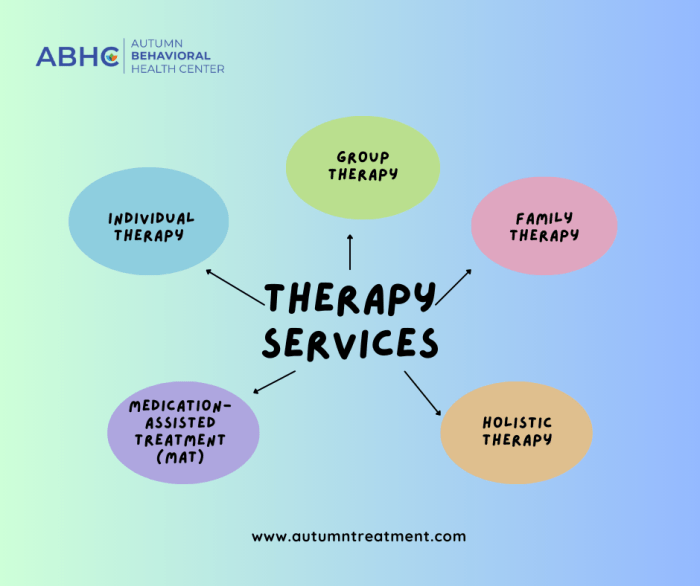
Addiction therapy for health-related issues encompasses various approaches tailored to the individual’s needs and circumstances. These approaches can range from traditional methods to more modern and holistic approaches, each with its own set of benefits and challenges.
Traditional Therapy vs. Modern Approaches
Traditional therapy approaches often focus on individual counseling, group therapy sessions, and behavioral interventions. These methods have been the cornerstone of addiction treatment for many years and have proven to be effective for some individuals. On the other hand, modern approaches may incorporate technology, such as teletherapy or online support groups, to provide more accessible and convenient options for those seeking treatment.
Holistic Therapy Methods for Health Addiction Treatment
Holistic therapy takes a comprehensive approach to treating addiction by addressing the individual’s physical, mental, emotional, and spiritual well-being. Examples of holistic therapy methods include acupuncture, yoga, meditation, nutrition counseling, and art therapy. These approaches aim to heal the whole person, rather than just focusing on the addiction itself.
Effectiveness of Different Therapy Approaches
The effectiveness of therapy approaches in treating health addiction can vary depending on the individual and the severity of their addiction. Some individuals may respond well to traditional therapy methods, while others may find more success with modern or holistic approaches. It is essential for individuals to work with their healthcare providers to determine the most suitable therapy approach for their specific needs and goals.
Healthcare in Addiction Treatment
Healthcare professionals play a crucial role in addiction treatment by providing medical expertise, guidance, and support to individuals struggling with health addictions.
Importance of an Integrated Healthcare Approach
An integrated healthcare approach is vital in addressing health addictions as it combines medical, psychological, and social interventions to provide comprehensive care for individuals.
- Medical Interventions: Healthcare professionals can prescribe medications to manage withdrawal symptoms and treat underlying health conditions contributing to addiction.
- Psychological Interventions: Therapists and counselors can offer behavioral therapy to address the root causes of addiction and develop coping strategies.
- Social Interventions: Support groups and community resources can provide a network of support for individuals undergoing addiction therapy.
Healthcare Interventions for Managing Health Addiction
- Detoxification Programs: Healthcare professionals oversee the detox process to safely remove harmful substances from the body.
- Medication-Assisted Treatment: Using medications in combination with therapy to manage cravings and prevent relapse.
- Behavioral Therapy: Cognitive-behavioral therapy (CBT) and motivational interviewing can help individuals change unhealthy behaviors and thought patterns.
Support from Healthcare Systems
Healthcare systems can support individuals undergoing addiction therapy by providing access to specialized treatment programs, mental health services, and ongoing medical care. They can also collaborate with other healthcare providers and community organizations to ensure a holistic approach to addiction treatment.
Alternative Treatment Options for Health Addiction
When it comes to addressing health addiction, exploring alternative therapies can offer additional support and benefits to individuals on their recovery journey. Alternative treatments such as acupuncture, meditation, or art therapy can complement traditional therapy approaches and provide a holistic approach to healing.
Acupuncture for Health Addiction
- Acupuncture involves the insertion of thin needles into specific points on the body to help restore balance and promote healing.
- Benefits of acupuncture for health addiction may include stress reduction, pain relief, improved sleep, and overall well-being.
- Some individuals have reported reduced cravings and increased self-awareness through regular acupuncture sessions as part of their treatment plan.
Meditation for Health Addiction
- Meditation is a practice that involves focusing the mind and achieving a state of calm and clarity.
- Benefits of meditation for health addiction can include increased mindfulness, reduced anxiety, improved emotional regulation, and enhanced self-control.
- Individuals who incorporate meditation into their daily routine often experience decreased impulsivity and greater resilience when faced with triggers or cravings.
Art Therapy for Health Addiction
- Art therapy uses creative expression as a means of communication and self-exploration.
- Benefits of art therapy for health addiction may include enhanced self-expression, stress relief, emotional processing, and increased self-esteem.
- Many individuals find healing and empowerment through art therapy, as it allows them to explore their emotions and experiences in a safe and supportive environment.
Integrating alternative treatments into a comprehensive health addiction therapy plan can enhance the overall effectiveness of the treatment approach. By combining traditional therapy methods with alternative therapies, individuals can address the physical, emotional, and mental aspects of their addiction, leading to a more holistic and sustainable recovery.
Health Dentistry and Addiction
Addiction can have a profound impact on oral health, leading to a range of dental issues that can significantly affect a person’s overall well-being. It is essential for dentists to be aware of these challenges and take preventive measures to address them effectively. Dental care plays a crucial role in addiction recovery, helping individuals maintain good oral health as they work towards overcoming their addiction.
Relationship between Dental Health and Addiction
Addiction, whether to substances like drugs or alcohol, can have detrimental effects on oral health. Individuals struggling with addiction are more likely to neglect their oral hygiene, leading to issues such as tooth decay, gum disease, and oral infections. The use of certain substances can also directly damage teeth and gums, exacerbating these problems further.
- Regular dental check-ups are crucial for individuals in addiction recovery to address any oral health issues promptly.
- Dentists can educate patients on the importance of maintaining good oral hygiene habits, such as brushing and flossing regularly.
- Preventive measures like fluoride treatments and dental sealants can help protect teeth from decay and damage.
- Dental professionals can work closely with addiction treatment centers to provide comprehensive care for individuals in recovery.
Importance of Dental Care in Addiction Recovery
Proper dental care is essential for individuals in addiction recovery to support their overall well-being. Addressing oral health issues can improve a person’s quality of life and contribute to their successful recovery journey. Dentists play a crucial role in helping individuals maintain good oral health as they work towards overcoming addiction.
- Healthy teeth and gums can boost self-esteem and confidence, aiding in the recovery process.
- Regular dental visits can help identify and treat any oral health problems early, preventing them from worsening.
- Good oral health can improve overall health outcomes and contribute to a person’s overall wellness.
- Dental care can serve as a form of self-care and help individuals establish healthy routines post-recovery.
Health Fitness in Addiction Recovery
Physical fitness plays a crucial role in supporting individuals during addiction recovery by promoting overall well-being and aiding in the healing process. Incorporating exercise and fitness routines into health addiction therapy can provide numerous benefits for both the body and mind. Here, we will explore the importance of fitness in addiction recovery and how it can positively impact mental health.
Benefits of Physical Activity in Addiction Recovery
- Improves mood and reduces feelings of anxiety and depression
- Enhances self-esteem and self-confidence
- Helps manage stress and reduce cravings
- Promotes better sleep patterns and overall quality of life
Fitness Programs for Individuals in Addiction Recovery
- Yoga: Combines physical postures, breathing techniques, and meditation to improve flexibility, strength, and mental clarity
- Cardio Workouts: Running, cycling, or aerobic exercises can boost endorphins and improve cardiovascular health
- Strength Training: Weightlifting or bodyweight exercises help build muscle strength and increase metabolism
- Outdoor Activities: Hiking, swimming, or team sports provide opportunities for social interaction and connection with nature
Impact of Physical Activity on Mental Health
Regular physical activity during the recovery process can have a positive impact on mental health by:
- Reducing symptoms of anxiety and depression
- Boosting self-confidence and self-esteem
- Improving cognitive function and focus
- Enhancing overall mood and emotional well-being
Health Medicine and Addiction Treatment
When it comes to treating health addictions, medication-assisted treatment plays a crucial role in helping individuals overcome their dependencies. By combining medication with therapy and other forms of support, patients can experience a more comprehensive approach to recovery.
Medication-Assisted Treatment in Addiction Therapy
- Medication-assisted treatment (MAT) involves the use of medications, such as methadone, buprenorphine, or naltrexone, to help manage withdrawal symptoms and cravings.
- This approach is particularly effective for opioid and alcohol addictions, as it can reduce the risk of relapse and support long-term recovery.
- Healthcare providers closely monitor patients on MAT to ensure the medication is being used safely and effectively as part of their overall treatment plan.
Benefits and Challenges of Medication in Addiction Recovery
-
Benefits:
Medications can help stabilize brain chemistry, reduce cravings, and improve overall well-being during the recovery process.
-
Challenges:
Some medications may have side effects or potential for misuse, requiring careful monitoring and adjustment by healthcare providers.
-
Balance:
Finding the right medication and dosage for each individual can be a trial-and-error process, but the benefits of successful treatment are immense.
Commonly Prescribed Medications for Health Addictions
- Common medications prescribed for opioid addiction include methadone, buprenorphine, and naltrexone, each with its own unique mechanism of action and benefits.
- For alcohol addiction, medications like disulfiram, acamprosate, and naltrexone are often used to help reduce cravings and support sobriety.
- Healthcare providers carefully consider the individual’s medical history and specific needs when determining the most appropriate medication for their addiction treatment.
Role of Healthcare Providers in Medication-Based Treatment
- Healthcare providers play a crucial role in prescribing, monitoring, and adjusting medications for addiction treatment to ensure optimal outcomes for their patients.
- They work closely with individuals in recovery to assess the effectiveness of the medication, address any concerns or side effects, and make informed decisions about ongoing treatment.
- Collaboration between healthcare providers, therapists, and support groups is essential in providing comprehensive care for individuals undergoing medication-assisted treatment for health addictions.
Health Pharmacy Support for Addiction
The role of pharmacists in supporting individuals undergoing health addiction therapy is crucial. Pharmacists play a vital role in ensuring proper medication management for patients in addiction treatment. They work closely with healthcare providers to dispense medications, provide counseling on drug interactions, and monitor the patient’s progress throughout the treatment process.
Importance of Proper Medication Management
Proper medication management is essential in addiction treatment to ensure that patients receive the right doses of medication at the right time. Pharmacists help patients understand the importance of following their medication regimen and provide guidance on how to safely store and use their medications.
- Pharmacists can provide valuable information on potential side effects and drug interactions to help patients avoid any adverse reactions.
- They can also assist in adjusting medication doses as needed based on the patient’s response to treatment.
- Proper medication management can improve treatment outcomes and reduce the risk of relapse in individuals undergoing addiction therapy.
Tips for Safely Storing and Using Medications
- Store medications in a secure place out of reach of children or anyone who might misuse them.
- Follow the instructions provided by the pharmacist or healthcare provider on how to take the medication.
- Avoid sharing medications with others and only take medications prescribed to you by a healthcare professional.
- Dispose of any unused or expired medications properly to prevent accidental ingestion or misuse.
Pharmacies Contribution to Comprehensive Treatment Plan
Pharmacies play a vital role in providing medications and pharmaceutical support as part of a comprehensive health addiction treatment plan. They collaborate with healthcare providers to ensure that patients receive the necessary medications to support their recovery journey. Pharmacists also offer counseling and guidance on medication management, helping patients navigate the challenges of addiction treatment effectively.
Weight Loss Strategies in Health Addiction Recovery
When it comes to health addiction recovery, weight management plays a crucial role in overall well-being. Achieving a healthy weight not only improves physical health but also positively impacts mental and emotional health during the recovery process.
Healthy Weight Loss Strategies
- Focus on whole foods: Incorporate plenty of fruits, vegetables, lean proteins, and whole grains into your diet to support weight loss and overall health.
- Stay hydrated: Drink an adequate amount of water throughout the day to support metabolism and promote weight loss.
- Regular exercise: Engage in physical activity such as walking, jogging, yoga, or strength training to support weight loss and improve overall fitness levels.
- Mindful eating: Pay attention to hunger cues, practice portion control, and avoid emotional eating to support weight loss goals.
- Seek professional help: Consider working with a nutritionist or dietitian to create a personalized meal plan that supports weight loss and overall health.
Women’s Health and Addiction
Women face unique challenges when it comes to accessing health addiction treatment. These challenges can be influenced by social, cultural, and biological factors. It is essential to understand and address these specific needs to provide effective care for women struggling with addiction.
Gender-Specific Approaches to Addressing Health Addictions in Women
- Women may have different reasons for developing addiction compared to men, such as coping with trauma, stress, or societal pressures.
- Gender-specific treatment programs can focus on these underlying issues and provide tailored interventions to meet the specific needs of women.
- Therapies like trauma-informed care, cognitive-behavioral therapy, and support groups can be particularly beneficial for women in addiction recovery.
Importance of Holistic Care for Women Undergoing Addiction Therapy
- Holistic care considers the physical, emotional, mental, and social aspects of a woman’s health, providing a comprehensive approach to addiction treatment.
- Addressing underlying mental health issues, improving self-esteem, and building healthy relationships are crucial components of holistic care for women in recovery.
- Incorporating alternative therapies like yoga, mindfulness practices, and art therapy can enhance the overall well-being of women undergoing addiction therapy.
Support Services Tailored to Women’s Health Needs in Addiction Recovery
- Women-specific support groups offer a safe space for women to share their experiences, receive peer support, and build a sense of community.
- Specialized counseling services focusing on issues like body image, self-care, and relationships can help women navigate challenges during the recovery process.
- Access to healthcare services addressing women’s reproductive health, prenatal care, and parenting support can play a vital role in holistic addiction recovery for women.
End of Discussion
In conclusion, the landscape of health addiction therapy is vast and varied, offering individuals a multitude of paths towards recovery and well-being. By exploring different approaches, we can pave the way for a healthier future free from the grips of addiction.
General Inquiries
How do traditional therapy approaches differ from modern methods?
Traditional therapy focuses on talk-based approaches, while modern methods may incorporate technology and innovative techniques for a more personalized treatment experience.
What role do pharmacists play in health addiction therapy?
Pharmacists support individuals by ensuring proper medication management, offering guidance on safe usage, and contributing to a comprehensive treatment plan.
Can acupuncture be effective in treating health addiction?
Acupuncture, along with other alternative therapies, has shown promise in addressing health addiction by promoting relaxation, reducing cravings, and restoring balance in the body.
Why is physical fitness important in addiction recovery?
Physical fitness not only improves overall health but also helps individuals in recovery by boosting mood, reducing stress, and providing a healthy outlet for emotions.
How can women benefit from gender-specific approaches in addiction treatment?
Gender-specific approaches cater to the unique needs of women, offering tailored support services and holistic care that address physical, emotional, and social aspects of addiction.


:max_bytes(150000):strip_icc()/jefit-fitness-weight-loss-app-d22c2acaf9e34127b6face554591c325.jpg?w=700)